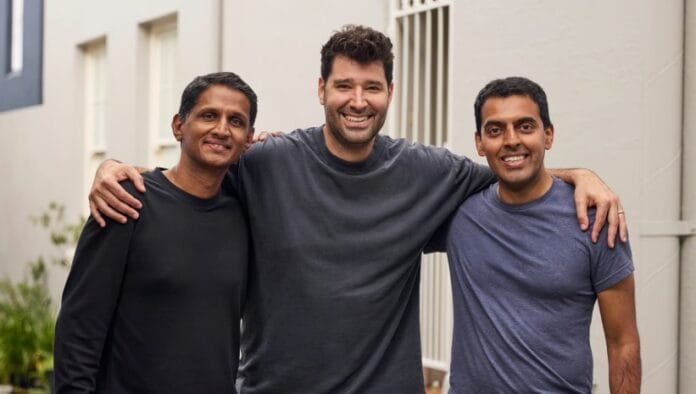
February 24, 2026: Canva’s acquisition of animation startup Cavalry and ad-intelligence venture Mango AI highlights how the company is evolving from a visual design tool into a broader platform built around marketing outcomes. The back-to-back deals suggest Canva is focusing less on adding isolated features and more on connecting creation, distribution, and performance inside a single workflow.
Cavalry’s entry into the Canva ecosystem brings motion design capabilities that were previously missing from its professional toolset. While Canva has expanded into advanced editing through its Affinity suite, animation remained an external step for many creators and agencies. Integrating Cavalry signals an effort to keep professional users within Canva’s environment as video and motion graphics become central to digital campaigns.
The timing also aligns with Canva’s strategy of opening up advanced tools to a wider audience. Since revamping its professional editing suite and lowering access barriers, the company has seen strong adoption among designers looking for alternatives to traditional software bundles. Adding motion editing could make Canva more relevant to creative teams managing social video, brand storytelling, and interactive campaigns.
Canva builds deeper marketing stack with Cavalry, Mango AI
At the same time, the Mango AI acquisition shows Canva’s ambition to move further into marketing technology. The startup’s work in reinforcement learning for ad performance introduces a layer of automation and measurement that extends beyond design. By embedding performance intelligence directly into its platform, Canva is inching closer to tools that help brands not just produce visuals but optimise how those visuals perform across channels.
The hires accompanying the deal also reflect a growing emphasis on algorithms and experimentation. Bringing in leadership focused on data science signals that Canva may be investing heavily in predictive tools, potentially enabling creators and brands to understand which content formats drive engagement before campaigns even go live.
Taken together, the acquisitions reinforce Canva’s broader direction over the past year. The company has been gradually building products aimed at marketers rather than only designers, blending asset creation with analytics and publishing workflows. Motion design and AI-driven ad optimisation fit into that trajectory, especially as brands shift toward video-led marketing strategies.
For startups watching the space, Canva’s moves underline a larger trend: creative software companies are increasingly competing with marketing platforms. Instead of handing off content to separate analytics or campaign tools, creators and brands are being offered an all-in-one system designed to handle both production and performance.

