

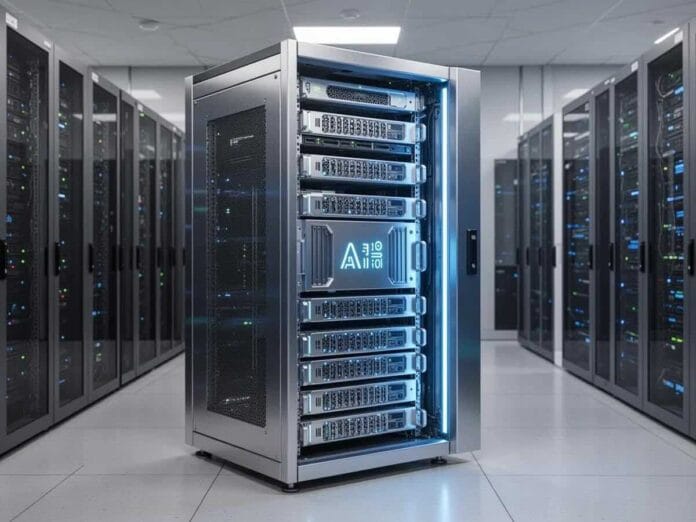
Tuesday, July 6, 2026: The next big startup battle may not be fought over funding rounds. It may be fought over something far more fundamental, Compute credits.
As artificial intelligence moves from experimentation to mainstream business adoption, leading AI companies and cloud providers are competing aggressively to attract the next generation of startups by offering millions of dollars worth of compute credits, AI model access, and infrastructure support.
For early-stage founders, this represents a significant shift.
A startup building an AI product today faces one of the biggest challenges in technology: the cost of running advanced models. Training, testing, and deploying AI applications require enormous computing resources, making infrastructure one of the largest expenses for young companies.
The emerging credit race is changing that equation.
According to WSJ reports, some AI startups have received competing offers worth millions of dollars in cloud computing and token credits. For companies in their early stages, such support can be comparable to the size of an entire seed funding round.
The strategy is clear: attract startups early, help them build faster, and create long-term relationships with the platforms powering their technology.
The New Startup Battlefield – Compute Power
OpenAI, Anthropic, and major cloud providers including Google Cloud, Microsoft Azure, and Amazon Web Services are increasingly positioning themselves as partners for startups rather than just technology vendors.
Beyond credits, companies are offering access to advanced AI models, engineering support, and developer resources.
The race has become particularly intense around AI-native startups , companies building products where artificial intelligence is at the core of their business model.
For founders, the decision is becoming more complex.
The biggest credit offer may not always be the best choice. Entrepreneurs must evaluate factors such as model performance, scalability, ecosystem support, pricing after credits expire, and long-term technology independence.
A New Era for Founders
The startup ecosystem has witnessed similar platform shifts before.
Cloud computing changed how startups built companies by removing the need for expensive infrastructure. Mobile platforms created opportunities for app entrepreneurs. AI is now creating another transformation , where access to intelligence itself is becoming a competitive advantage.
The next generation of successful startups may not only be defined by their ideas or funding. They may be defined by how efficiently they use AI infrastructure.
For investors and founders, one question will become increasingly important:
Who has the smartest AI strategy, the company with the largest compute budget, or the startup that knows how to use limited resources most effectively?
The compute race has begun, and startups are at the centre of it.

