

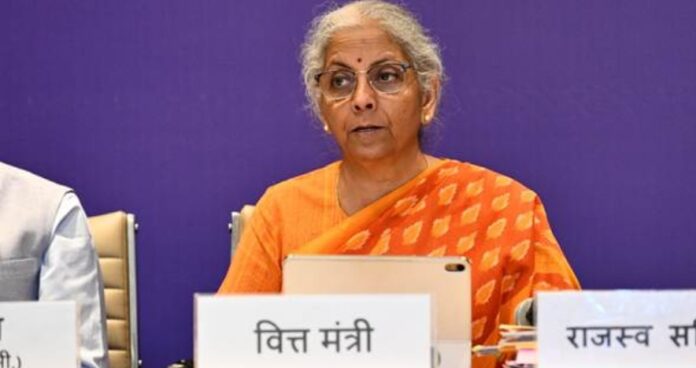
October 9, 2026: The 57th Goods and Services Tax Council meeting, chaired by Union Finance Minister Nirmala Sitharaman, introduced sweeping procedural overhauls designed to simplify tax compliance, protect small businesses, and unlock working capital. For founders, e-commerce entrepreneurs, and early-stage ventures, these GST 3.0 recommendations significantly reduce administrative friction and legal risks.
Here is a comprehensive breakdown of what these new GST reforms 2026 mean for the startup ecosystem.
6 Major GST Reforms in 2026 announced
1. Complete Removal of Arrest Powers and Lower Litigation Risk
In a major boost to founder confidence and operational security, the GST Council recommended the complete removal of arrest powers under Section 69 of the Central Goods and Services Tax Act. GST officers no longer hold independent discretion to make arrests.
Key legal updates for businesses include:
- Prosecution Threshold: The monetary limit to initiate criminal prosecution has been raised fivefold, from 1 crore rupees to 5 crore rupees.
- General Penalty Reduction: The maximum general penalty under Section 125 has been cut from 25,000 rupees to 10,000 rupees.
- De Minimis Notice Limit: A minimum threshold of 10,000 rupees has been set for issuing show cause notices, preventing low-value administrative disputes from escalating into legal battles.
- Pre-Deposit Cap: For appeals involving only penalties, pre-deposits are now capped at 40 crore rupees (20 crore rupees under CGST and 20 crore rupees under SGST).
2. Streamlined E-Commerce Expansion for Small Vendors
Expanding across state borders via online platforms previously required setting up physical places of business or maintaining complex registrations in each target state. The Council introduced Rule 14B to solve this challenge for small sellers operating through Electronic Commerce Operators.
Under the new rule:
- Small suppliers can register by declaring an e-commerce warehouse in a state as their Principal Place of Business, provided they pass on Input Tax Credit up to 2.5 lakh rupees per month.
- Registration in these cases will be granted automatically by the system.
- Direct-to-consumer brands and micro-merchants can scale nationally through e-commerce channels without establishing physical offices in every state.
3. Automated Registrations, Amendments, and Cancellations
To eliminate delays caused by manual scrutiny, the GST Council is moving core administrative processes to fully automated, system-driven workflows:
- Automatic Profile Updates: Amendments to registration particulars will be accepted automatically on the GST portal without officer intervention, except for principal place of business updates (which are also automated for Rule 14A taxpayers).
- System-Based Cancellations: Taxpayers seeking business closure can receive automatic cancellation once pending returns and dues are cleared.
- Clear Registration Guidance: Drop-down menus, standardized document checklists, and contextual tooltips are being added to Form GST REG-01 to minimize application rejections caused by missing paperwork.
4. Accelerated Working Capital via Automated Refunds
Delayed tax refunds can severely constrain liquidity for bootstrapped and venture-backed companies alike. The Council’s new refund roadmap reduces manual touchpoints and speeds up cash flows:
- Cash Ledger Refunds: 100 percent of excess balances in the electronic cash ledger will be processed and sanctioned automatically by the portal.
- Shorter Timelines: The time limit for issuing acknowledgments or deficiency memos has been reduced from 15 days to 10 days, with deemed acknowledgment triggered automatically if officers do not respond within this window.
- Provisional Sanctions: For zero-rated exports and inverted duty structure claims, 90 percent of the refund amount will be released provisionally on an automated basis following automated risk scoring.
5. Unlocked Input Tax Credit on Essential Overhead Costs
The Council recommended key amendments to Section 17(5) to remove restrictions on Input Tax Credit availment across common operational expenses.
Startups can now claim ITC on:
- Outdoor catering and corporate events.
- Health and life insurance premiums paid for employees.
- Telecommunication towers and external pipeline infrastructure.
- Free product samples and inventory written off due to legal shelf-life expiry.
- Accumulated ITC on capital goods and input services under inverted duty structures and zero-rated exports (with capital goods credit refunds spread over 60 months starting April 2027).
6. Simplified Compliance for Small Businesses and Services
For early-stage startups managing limited accounting bandwidth, several compliance reliefs were introduced:
Seamless Transit: Conveyance interceptions during transit now require specific intelligence and written authorization from a Joint Commissioner or higher, eliminating arbitrary border checks during inter-state shipping.
Late Fee Waivers: Late fees on monthly return filings (under Section 39) are waived for taxpayers with annual turnover up to 5 crore rupees, provided the return is filed within the same calendar month.
Optional ARQP Scheme: An Annual Return Quarterly Payment scheme was approved in-principle for consumer-facing (B2C) businesses with turnover up to 5 crore rupees.
Service Export Support: The condition requiring service suppliers and foreign branches to not be “establishments of a distinct person” was removed under Section 2(6) of the IGST Act, simplifying export benefit claims for Indian tech and service startups with overseas entities.

